
MEP systems are its foundation, ensuring that it runs smoothly, effectively, and comfortably.
In terms of building design, construction, and maintenance, MEP stands for mechanical, electrical, and plumbing systems. A building’s or infrastructure’s operation, safety, and comfort are largely dependent on these vital systems. Let’s examine each MEP system component in more detail
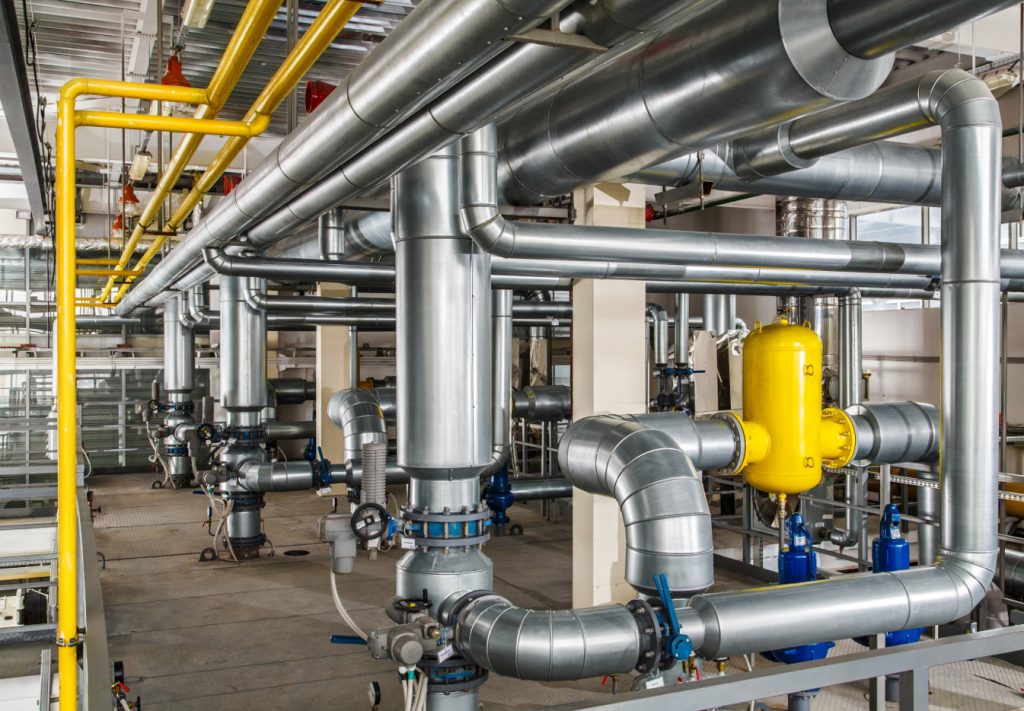
Mechanical Systems (M):
In the context of MEP, mechanical systems relate to the elements that regulate the temperature, ventilation, and general comfort of a building. HVAC (heating, ventilation, and air conditioning) systems are included in this. HVAC systems control the temperature, humidity, and air quality inside a structure to keep people comfortable and create an environment that is good for work and general well-being. Additionally, a variety of equipment, including chillers, boilers, fans, and ducting, are included in mechanical systems.
Electrical Systems (E):
The design, installation, and maintenance of all electrical parts of a building fall within the purview of electrical systems. This covers things like lighting, communication, security, and power distribution. A building’s electrical systems make sure that it has a consistent and secure supply of electricity to suit its needs. Electrical systems must consider lighting design since it affects both the usability and ambiance of indoor and outdoor settings.
Plumbing Systems (P):
Plumbing systems cover every component of a structure that involves water, including water supply, drainage, sanitary conditions, and fire safety. While drainage systems make sure that wastewater is properly removed and prevent flooding, water supply systems provide clean, potable water to various portions of the structure. Sinks, toilets, and showers are fixtures that are part of plumbing systems.
Integrating and Being Important:
To achieve a building’s optimum operation, MEP systems must be linked seamlessly because they are not freestanding components but rather intricately connected parts. Plumbing systems could need electrical components for pumps and valves, whereas electrical systems power HVAC equipment. For these systems to function effectively and to prevent conflicts, cooperation is essential during the design and construction phases.
Efficiencies in Sustainability and Energy:
The promotion of sustainability and energy efficiency in buildings is greatly aided by MEP systems. Systems with good design can use less energy, cost less to operate, and have less of an impact on the environment. For instance, environmentally friendly building features include energy-efficient HVAC systems, intelligent lighting controls, and water-saving plumbing fixtures.
Role in Construction and Maintenance:
MEP systems must be carefully planned, designed, and installed throughout the construction phase in order to adhere to building norms and regulations. Once the facility is up and running, routine maintenance of these systems is essential to avoid malfunctions, guarantee occupant comfort, and increase equipment longevity.
Any building’s MEP systems are its foundation, ensuring that it runs smoothly, effectively, and comfortably. These systems must be carefully coordinated, integrated, and maintained in order to create environments that are secure, useful, and sustainable for people to live, work, and flourish in.